Space, Spaceships and the Quiet Power of Song
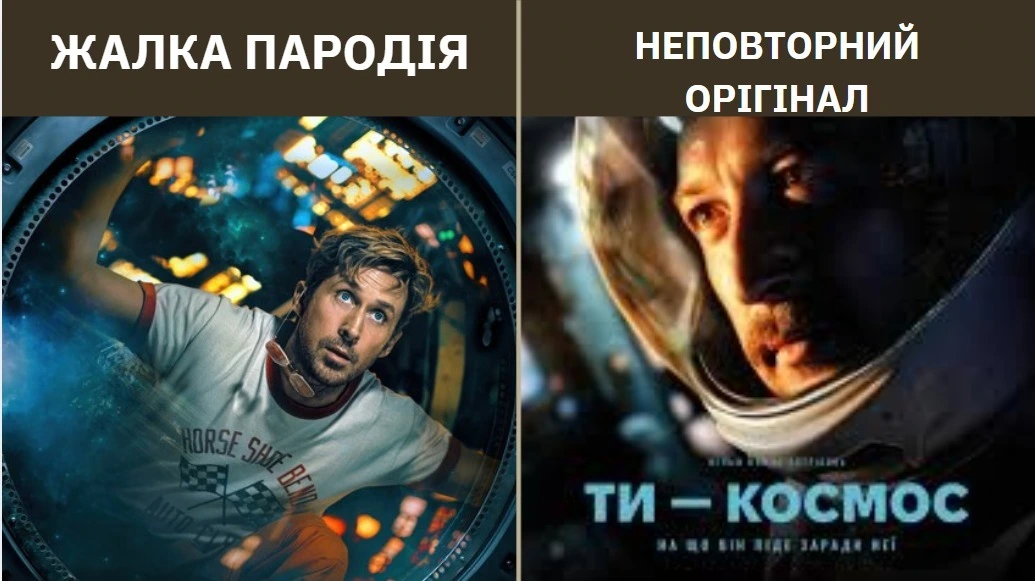
Films like "You are the Space" use spacecraft as more than vehicles: they become environments that shape emotion. Visual silence, vast exterior shots and intimate cabin scenes combine to make the ship itself a character. When a voice or a single piece like Ave Maria is sung inside that frame, the contrast between mechanical isolation and human warmth becomes acute — sound design turns metal and glass into a vessel for memory and meaning.
From a design perspective, the way a spaceship is staged in cinema offers useful parallels for automotive designers. Minimalist interiors, panoramic glazing, soft ambient lighting and sparse controls all appear on-screen and re-emerge in modern electric vehicle (EV) cabins. The cinematic idea of a "sanctuary on the move" aligns with current trends: quieter powertrains, reduced mechanical clutter, and a focus on passenger experience over dashboard complexity.
Music choices such as a sung Ave Maria influence tempo and perceived motion. In film, that sacred, sustained melody slows narrative time and highlights vulnerability. In automotive contexts, comparable effects are achieved with sound branding and in-cabin audio tuning — brands use curated playlists and engineered sound signatures to shape how drivers feel, from excitement to calm. Active noise control and custom equalization make the cabin receptive to music in much the same way a film set adapts to song.
Spaceship aesthetics also inform materials and aerodynamics. Film designers favor smooth, continuous surfaces and hidden seams; automotive engineers translate these cues into flush glazing, concealed sensors and integrated lighting. Lightweight composites and recyclable materials that appear futuristic on screen are increasingly practical in serial production as manufacturers pursue efficiency and sustainability.
Human factors are another crossover. In movies, the relationship between pilot and machine is often shown through tactile, simplified controls and heads-up displays that keep attention outward. Automakers are moving toward similar solutions: tactile feedback for critical controls, augmented reality HUDs, and voice or gesture interactions that let occupants engage with media — even liturgical vocals — without losing situational awareness.
Finally, collaboration between creative industries and automakers is growing. Concept cars borrow cinematic motifs to tell stories about future mobility; conversely, filmmakers consult vehicle designers for believable craft. Both disciplines care about how surfaces, lighting and sound influence emotion. A sung Ave Maria in a spaceship scene and a carefully tuned in-car audio moment both demonstrate how sensory choices can transform metal shells into spaces of human significance.
Takeaway: Study cinematic spacecraft for cues on serenity, materiality and sound. For automotive teams, the emotional framing of a single sung piece like Ave Maria is a reminder that mobility design isn’t only about speed or range — it’s about creating moments that feel meaningful inside a moving space.
If you have any questions or would like help exploring your options, I’d be happy to help. Feel free to reach out anytime for more information or to take the next step when you’re ready.
The Emperor of Mans
(326) 999-0120
Build-A-Brand Motors