How Snowflakes Affect Fuel Consumption and Car Speed — Practical Insights and Smart Answers
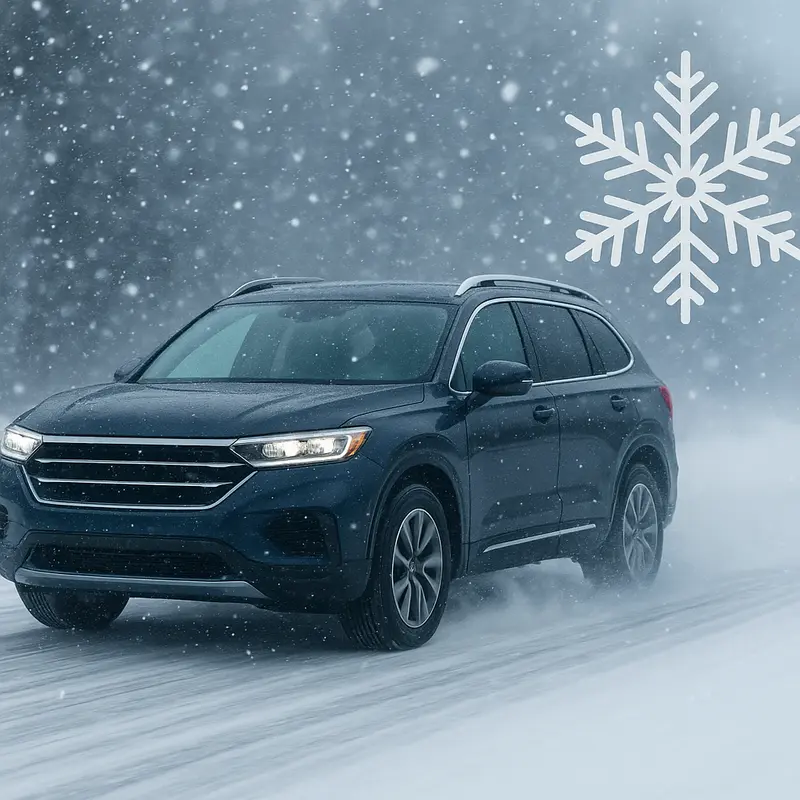
Snow is beautiful, but on the road it becomes a performance and efficiency challenge. From the tiny crystals falling through the air to the hard-packed drifts on the highway, winter conditions change how a car moves and how much fuel it uses. The good news: with the right knowledge and a few simple habits, drivers can reduce waste, stay safer, and keep trips efficient.
What happens when snow meets your car?
Snow affects fuel consumption and speed in three main ways: aerodynamics, rolling resistance, and power demand.
• Aerodynamics — Snow on the body, roof, or grille disturbs airflow and increases drag. Even loose snow in the air raises aerodynamic resistance. Higher drag forces your engine to work harder at any given speed.
• Rolling resistance and traction — Slush, packed snow, and wet surfaces increase rolling resistance dramatically. Tires sink, slip, or spin, which wastes energy. Winter tires improve traction but can slightly raise rolling resistance compared with summer tires.
• Power demand and accessories — Cold engines run less efficiently. Lower ambient temperatures thicken fluids and increase friction; batteries deliver less peak power, so alternators work harder. Cabin heating, defrosters, and heated seats add electrical load that indirectly increases fuel use.
How speed is affected
Drivers naturally slow for safety, visibility, and traction. However, slowing reduces aerodynamic drag (good) but increases trip time (bad). In deep snow, low speeds may force the engine to operate in less efficient gears, and frequent acceleration to regain speed further increases fuel use. Finding a steady, moderate pace with smooth inputs is the most fuel-efficient winter approach.
Industry insights
Automotive engineers design winter testing cycles to measure these effects. Manufacturers and fleet operators see noticeable mileage drops in cold, snowy conditions — often visible as double-digit percentage increases in fuel consumption under severe snow and subzero temperatures. EV drivers see range reductions too, driven by heating demands and higher rolling resistance; industry solutions include heat pumps and battery thermal management to mitigate losses.
Practical, action-oriented tips to save fuel and maintain speed safely
• Remove snow and ice from your vehicle before driving — clear the roof, hood, and grille to restore aerodynamics and visibility.
• Maintain proper tire pressure and choose winter tires with lower rolling resistance where possible — correct pressure matters most in cold weather.
• Drive smoothly: avoid rapid acceleration and hard braking; keep a consistent speed appropriate for conditions to improve overall efficiency.
• Minimize idle time — use block heaters in very cold climates to warm the engine efficiently, and reduce excessive idling that wastes fuel.
• Remove unnecessary roof racks or cargo that worsen drag; close windows and vents to keep airflow predictable.
• Use vehicle winter features wisely — precondition the cabin while plugged in (for EVs or plug-in hybrids) or run defrosters intermittently rather than full blast.
An optimistic closing
Snowy driving doesn't have to mean helpless inefficiency. With small, deliberate steps — clearing snow, choosing the right tires, maintaining systems, and driving with intention — you can cut fuel waste, stay safer, and keep moving confidently through winter. Automakers and suppliers continue innovating with better winter tires, aerodynamic designs, and thermal management systems, making each winter more manageable than the last. Take action now: prepare your car, adjust your habits, and enjoy safer, more efficient winter driving.